

Have you ever imagined turning your original character, brand mascot, or creative drawing into a real plush toy?
Custom plush toys are more than soft and cuddly products. They are powerful tools for brand marketing, emotional connection, retail merchandise, promotional campaigns, and personalized gifts.
However, turning an idea into a high-quality stuffed animal requires more than simply choosing a fabric and sewing it together. It involves professional design development, material selection, pattern making, embroidery, sampling, manufacturing, and quality inspection.
Whether you are a toy brand, retailer, startup, gift company, or business looking for promotional products, understanding the manufacturing process can help you make better sourcing decisions.
In this guide, we will explain how custom plush toys are manufactured and what you should consider when working with a professional plush toy manufacturer.
1. What Are Custom Plush Toys?
Custom plush toys are soft stuffed products manufactured according to a customer’s specific requirements.
Unlike standard ready-made stuffed animals, custom plush toys can be designed around almost any concept, including:
- Brand mascots and corporate characters
- Cartoon and animated characters
- Original intellectual property (IP)
- Animal-shaped stuffed toys
- Personalized dolls and character plushies
- Promotional gifts and merchandise
- Educational and children’s plush toys
Customers can customize the toy’s appearance, size, fabric, colors, facial expressions, embroidery, accessories, labels, and packaging.
For businesses, custom plush toys offer an opportunity to create unique products that reflect their brand identity and stand out in competitive markets.
2. How Are Custom Plush Toys Made?
Professional plush toy manufacturing involves several important stages. Each stage contributes to the final product’s appearance, durability, and quality.
Step 1: Design Development
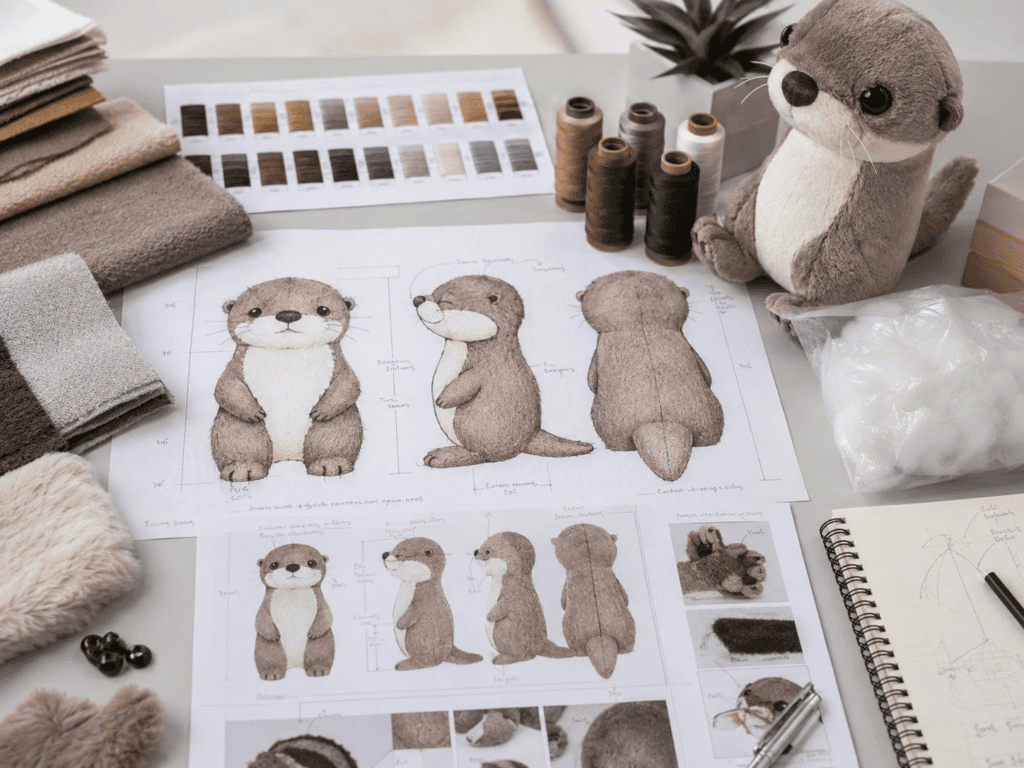
Every successful plush toy starts with a design.
Customers can provide:
- Hand-drawn sketches
- Digital illustrations
- Character reference images
- Existing product samples
- 3D character designs
The manufacturer evaluates the design and determines how to translate the visual concept into a three-dimensional stuffed toy.
Important considerations include proportions, dimensions, facial details, fabric selection, and construction methods.
For complicated characters, the design may need to be adjusted to ensure that the finished plush toy maintains the original character’s recognizable features.
Step 2: Fabric and Material Selection
Choosing the right materials is essential to creating a high-quality plush toy.
Different fabrics create different textures, appearances, and levels of softness.
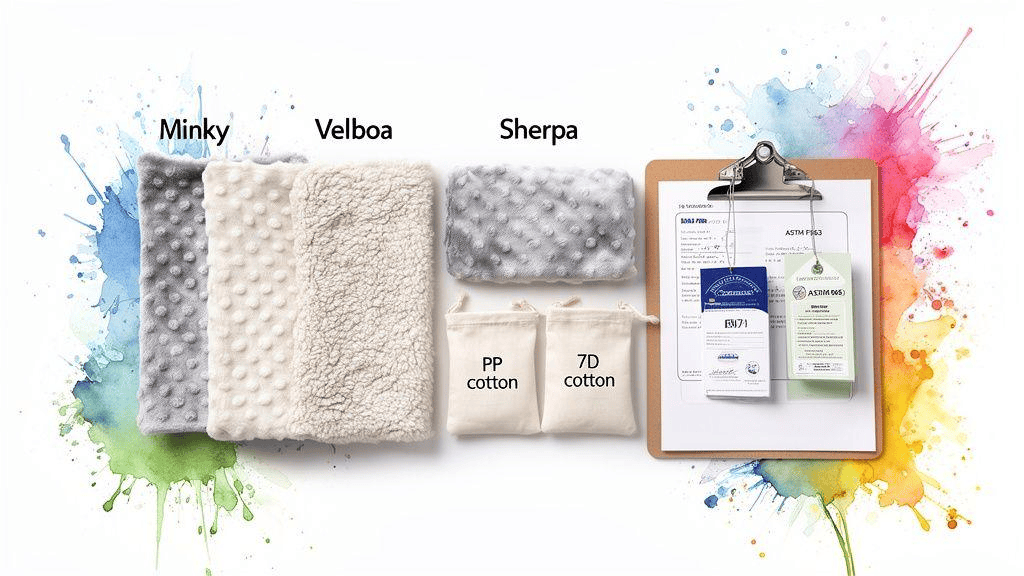
Common plush toy materials include:
- Short plush: Smooth, soft, and suitable for detailed character designs.
- Minky fabric: Extremely soft with a smooth surface, often used for premium plush products.
- Long-pile plush: Creates a fluffy appearance, ideal for bears and furry animals.
- Velboa: A versatile short-pile fabric commonly used for stuffed animals.
- Sherpa fabric: Provides a textured, wool-like appearance.
The filling material is equally important. Polyester fiberfill is commonly used because it is lightweight, soft, and suitable for many plush toy applications.
When selecting materials, buyers should consider softness, durability, color consistency, shedding, and the intended use of the product.
Step 3: Pattern Making and Prototyping
Once the design and materials are confirmed, the next step is creating production patterns.
Pattern makers divide the character into individual fabric pieces. These pieces are then assembled to create the three-dimensional structure.
This stage requires experience because even small adjustments can significantly affect the final appearance.
A professional sample maker needs to consider:
- Body proportions
- Head and facial structure
- Fabric direction
- Seam placement
- Stuffing space
- Overall shape and balance
The first physical sample allows customers to evaluate whether the design accurately represents their original idea.
Step 4: Embroidery and Custom Details
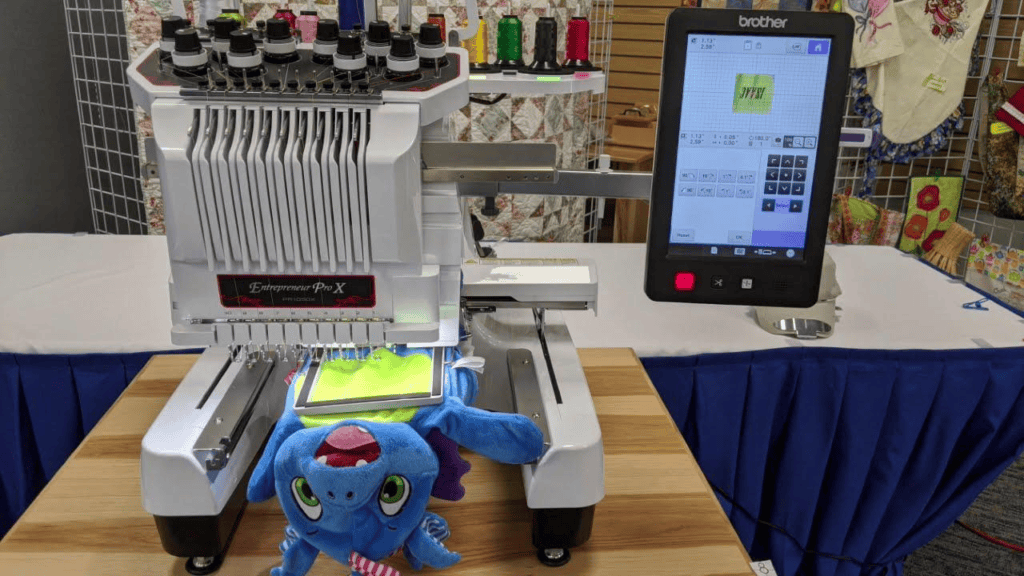
Embroidery is one of the most important techniques in custom plush toy manufacturing.
It is frequently used for:
- Eyes and facial expressions
- Mouths and noses
- Brand logos
- Decorative patterns
- Character details
Depending on the design, manufacturers may also use printed fabrics, appliqué, sewn accessories, and other decorative techniques.
Precise embroidery helps create consistent facial expressions and gives each character its unique personality.
Step 5: Cutting, Sewing, and Stuffing
After the sample and materials are approved, production can begin.
The manufacturing process generally includes:
- Fabric cutting according to approved patterns.
- Sewing individual fabric components together.
- Turning the fabric pieces inside out.
- Adding polyester fiberfill.
- Closing the openings.
- Shaping and finishing the product.
The amount and distribution of stuffing affect the toy’s softness, shape, and overall appearance.
Experienced production workers carefully control the stuffing process to maintain consistency across different units.
Step 6: Quality Inspection
Quality control is essential before products are packed and shipped.
A professional inspection process may include checking:
- Overall appearance and proportions
- Fabric quality and color consistency
- Stitching and seam strength
- Embroidery accuracy
- Filling distribution
- Loose threads and surface cleanliness
- Labels and packaging
For children’s toys, applicable safety requirements must also be considered.
For example, toys intended for children aged 12 and under in the United States are subject to applicable children’s product safety requirements, including third-party testing and certification obligations. The specific requirements depend on the product and its intended use.
Buyers should confirm the relevant testing and documentation requirements for their target market before mass production.
3. What Should You Consider When Choosing a Custom Plush Toy Manufacturer?
Finding the right manufacturing partner is one of the most important decisions in a custom plush project.
Here are five factors worth evaluating.
1. Manufacturing Experience
Look for a manufacturer with practical experience producing different types of plush toys.
Ask to see examples of previous projects, especially products similar to your design.
2. Sampling Capabilities
A good manufacturer should be able to turn design references into physical samples and make reasonable adjustments based on your feedback.
Sampling capability is particularly important for complex characters and branded merchandise.
3. Material Selection
Ask whether the manufacturer can provide different fabric options and explain the advantages of each material.
A suitable material should match your design, target price, intended use, and quality expectations.
4. Quality Control
Understand how the factory controls quality during cutting, sewing, stuffing, finishing, and final inspection.
Consistent production quality is especially important for large orders and repeat purchases.
5. Communication and Production Management
Clear communication helps prevent misunderstandings about product dimensions, colors, materials, sample revisions, and delivery schedules.
Choose a partner who can clearly explain each production stage and keep you informed throughout the project.
4. What Information Do You Need to Prepare for a Custom Plush Toy Order?
If you want to receive an accurate quotation, preparing basic product information will make the process much easier.
Here is a practical checklist:
| Information | What to Prepare |
|---|---|
| Product Design | Sketches, images, or character references |
| Product Size | Height, width, and dimensions |
| Quantity | Estimated order quantity |
| Fabric | Preferred fabric or material requirements |
| Filling | Preferred stuffing material |
| Logo | Embroidery, printing, or other decoration |
| Accessories | Clothing, hats, tags, and other details |
| Packaging | Individual bags, boxes, or custom packaging |
| Destination | Country or market where products will be sold |
You do not need to have every detail finalized before contacting a manufacturer.
A professional manufacturing team can help you evaluate your design and develop a suitable production plan.
5. Why Work With a Professional OEM/ODM Plush Toy Manufacturer?
OEM and ODM manufacturing services provide different ways for businesses to develop custom plush products.
OEM (Original Equipment Manufacturing)
OEM services are suitable for customers who already have their own product designs and need a manufacturer to produce them according to their specifications.
ODM (Original Design Manufacturing)
ODM services are suitable for customers who need additional design and product development support.
Depending on the manufacturer’s capabilities, services may include design development, material recommendations, prototyping, sample revisions, mass production, and packaging.
Working with an experienced manufacturing partner can help businesses streamline product development and maintain consistent production standards.
6. Frequently Asked Questions About Custom Plush Toys
Q1: Can I make a plush toy from just a picture?
Yes. Many custom plush projects begin with a drawing, illustration, photograph, or character reference.
The manufacturer can evaluate the design and develop a three-dimensional prototype. More reference images and detailed design information can make the development process easier.
Q2: Can I customize the size, fabric, and colors?
Yes. Most custom plush projects allow customers to specify dimensions, fabric types, colors, embroidery, accessories, and packaging.
The final options depend on the design and manufacturing requirements.
Q3: Do I need a finished design before contacting a factory?
No. You can start with an idea, sketch, or reference image.
A professional manufacturer may help you develop the concept into a production-ready design.
Q4: How do I ensure the quality of my custom plush toys?
Start by approving a physical sample before mass production.
Make sure the final sample reflects the agreed specifications, including materials, dimensions, colors, embroidery, construction, and accessories.
You should also agree on inspection requirements and applicable safety testing before production.
Q5: Can manufacturers produce plush toys with custom brand logos?
Yes. Brand logos can often be incorporated through embroidery, printing, woven labels, or custom packaging, depending on the design.
This makes custom plush toys suitable for corporate gifts, promotional campaigns, retail merchandise, and brand marketing.
7. Turn Your Creative Ideas Into Custom Plush Toys With SmilesPop
At SmilesPop, we believe every great plush toy begins with a creative idea.
From character development and material selection to sample making, embroidery, sewing, and final production, developing a successful plush product requires attention to detail at every stage.
Whether you are developing a new brand mascot, launching a plush toy collection, creating promotional merchandise, or bringing an original character to life, having the right manufacturing partner makes a difference.
Let’s Bring Your Plush Toy Ideas to Life!
Contact SmilesPop to discuss your custom plush toy project.
Share your design, reference images, estimated quantity, and product requirements with our team. We look forward to exploring your next project together.
Hi, this is a comment.
To get started with moderating, editing, and deleting comments, please visit the Comments screen in the dashboard.
Commenter avatars come from Gravatar.